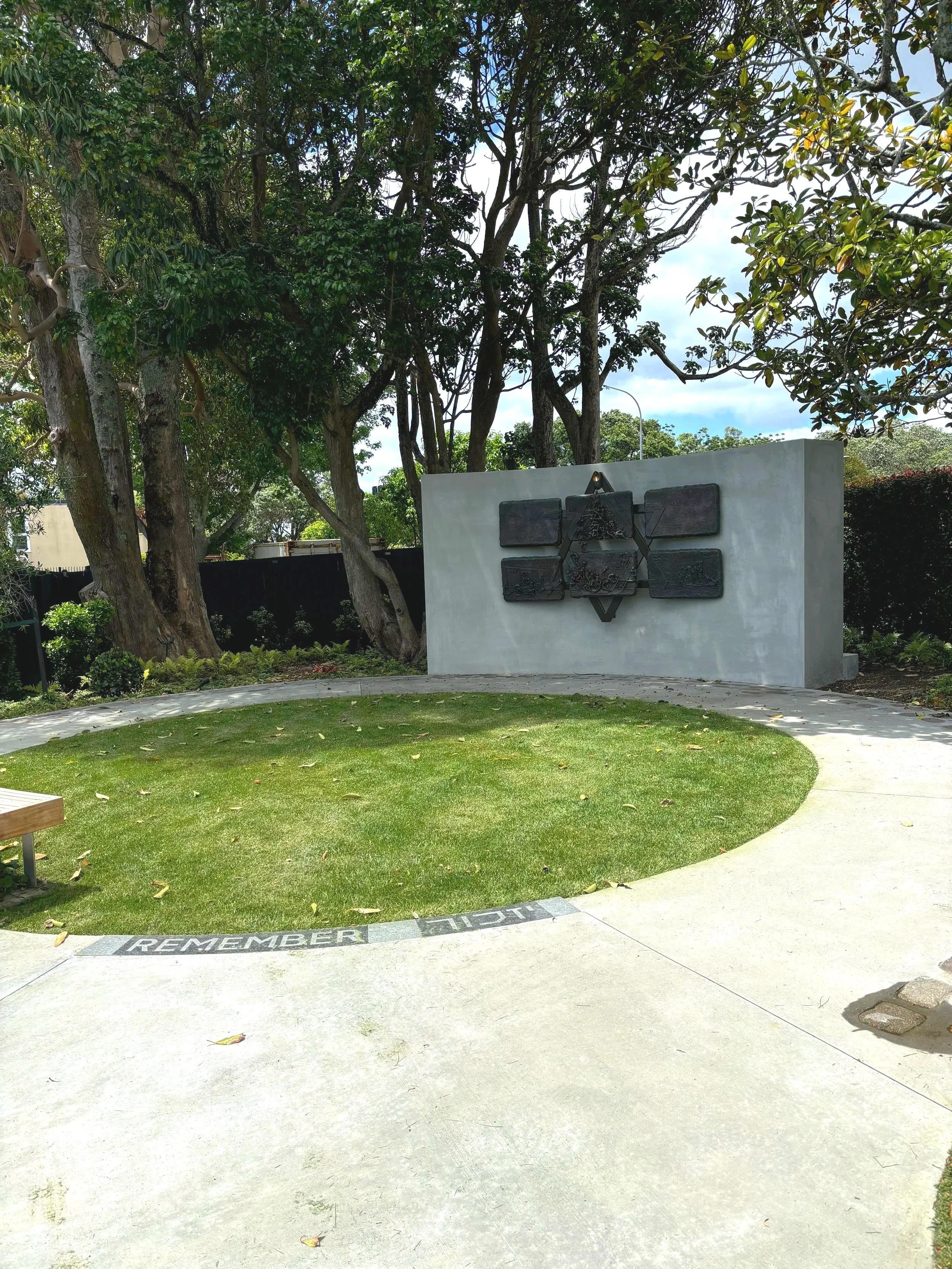
Auckland Holocaust Memorial Garden
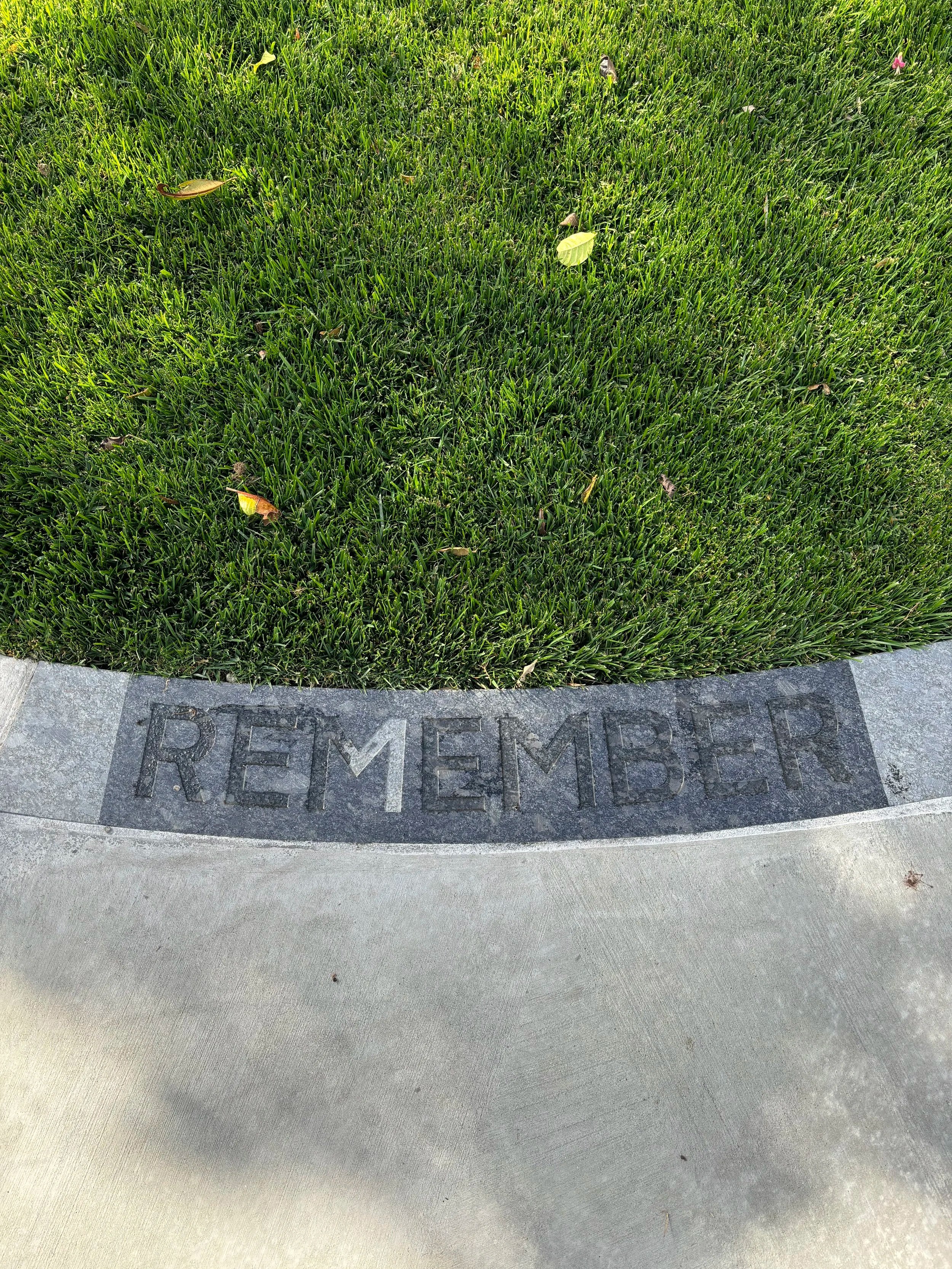
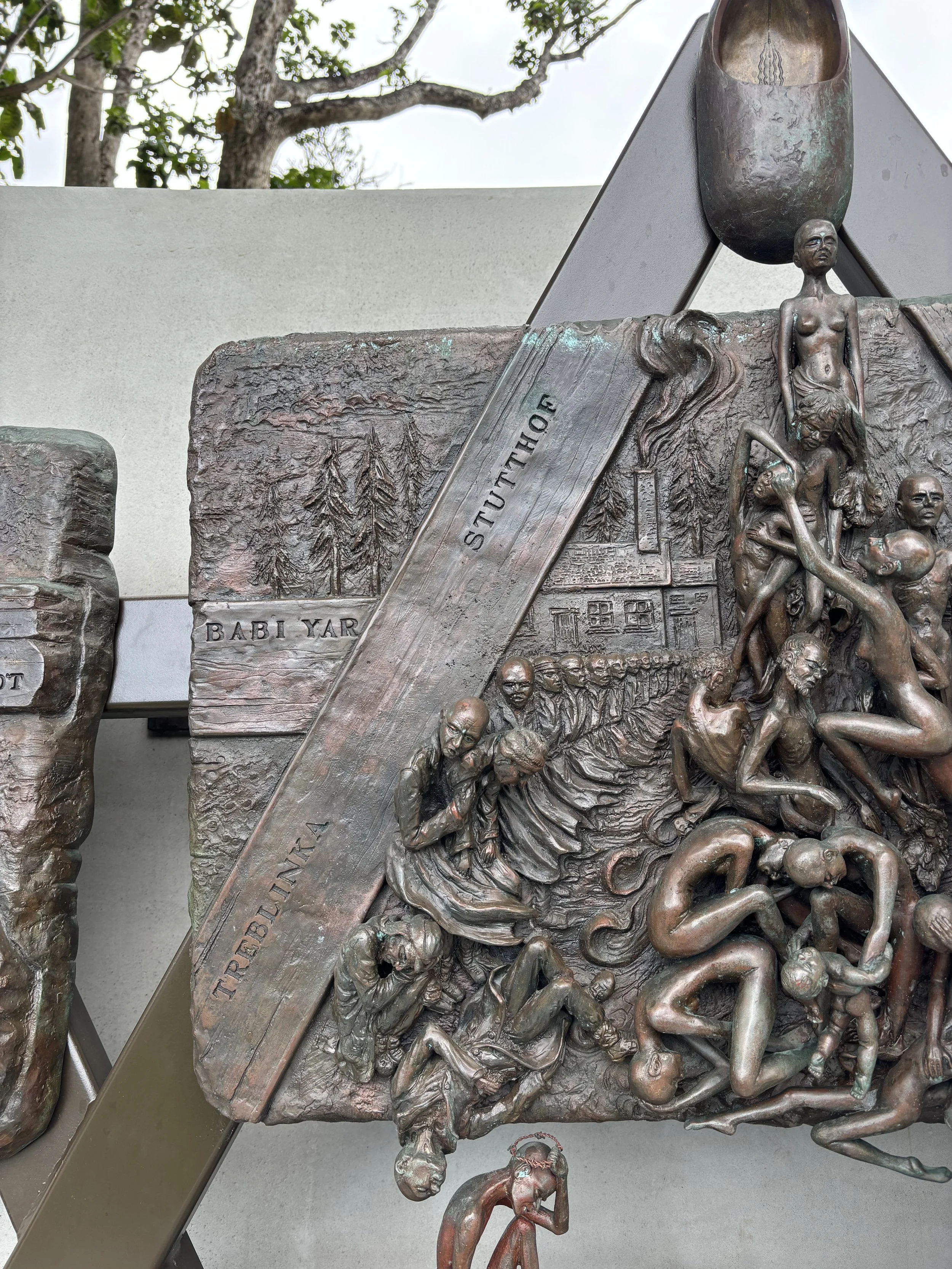
A place of remembrance dedicated to the six million Jewish lives lost during the Holocaust between 1933 and 1945. Created as a space for reflection, education, and remembrance, the garden stands as both a memorial to those who perished and a tribute to the survivors who rebuilt their lives in New Zealand and across the world.
The memorial serves as a reminder of the devastating consequences of hatred, intolerance, and dehumanisation, while encouraging empathy, understanding, and collective responsibility for future generations.
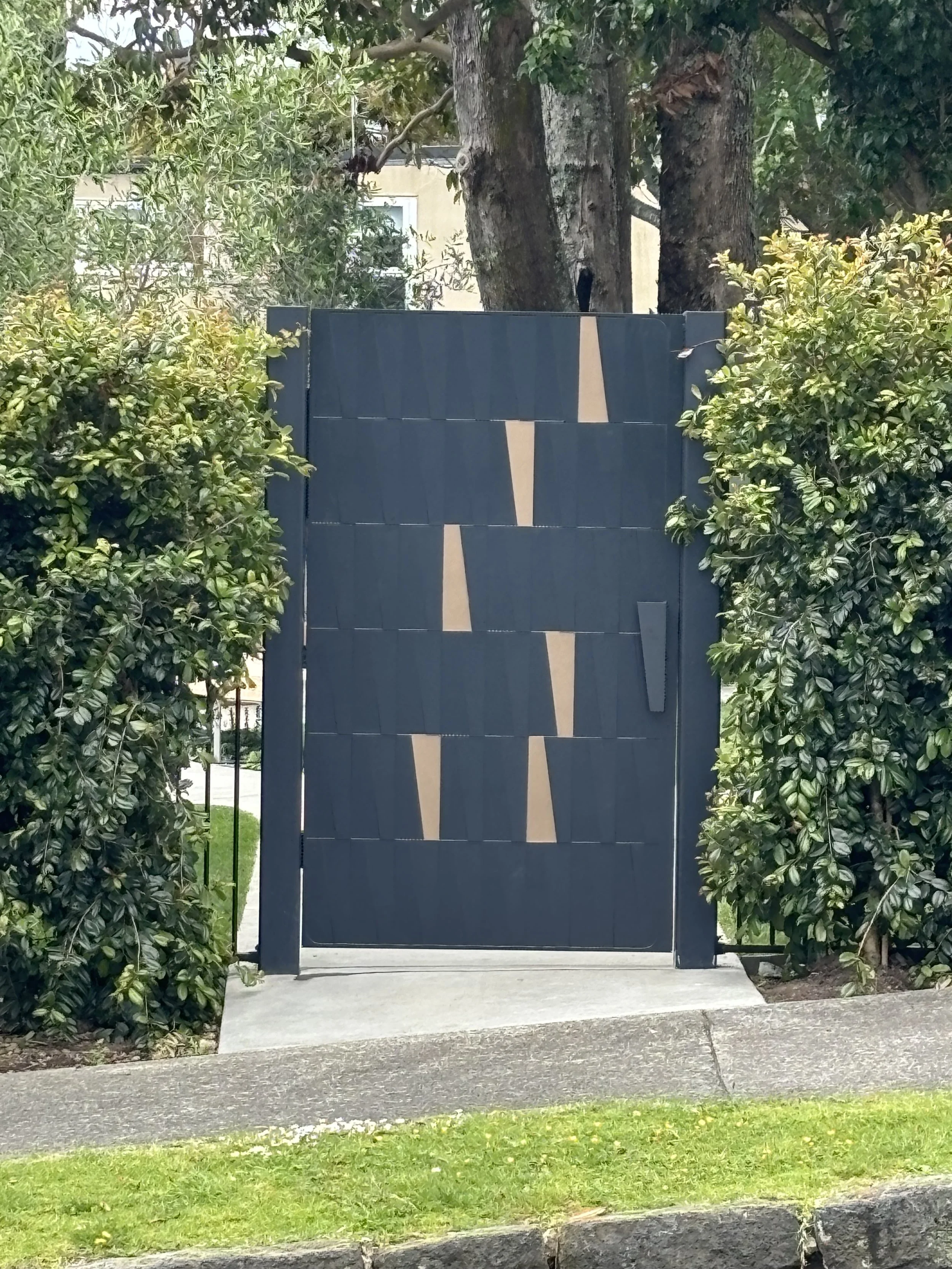
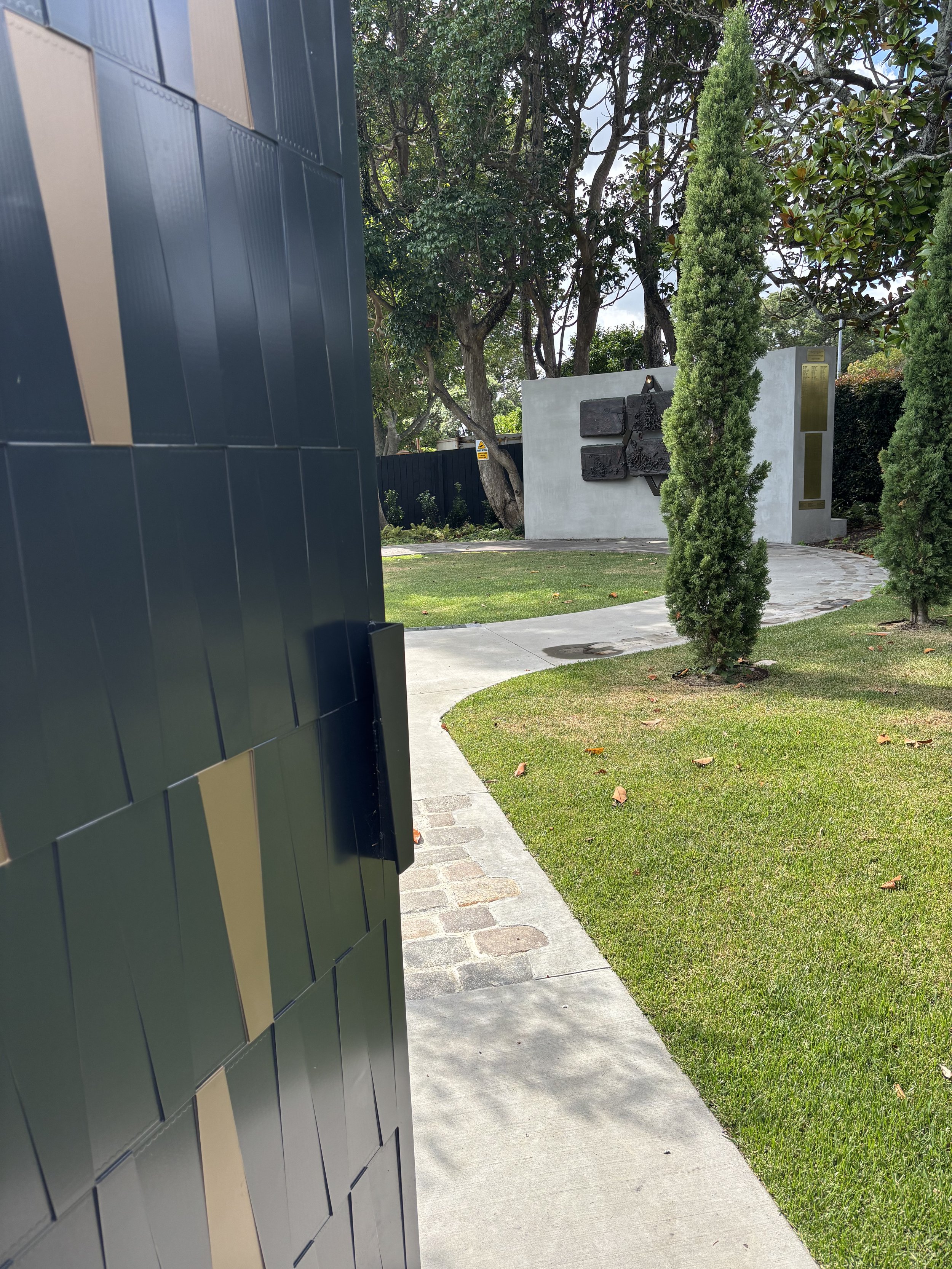
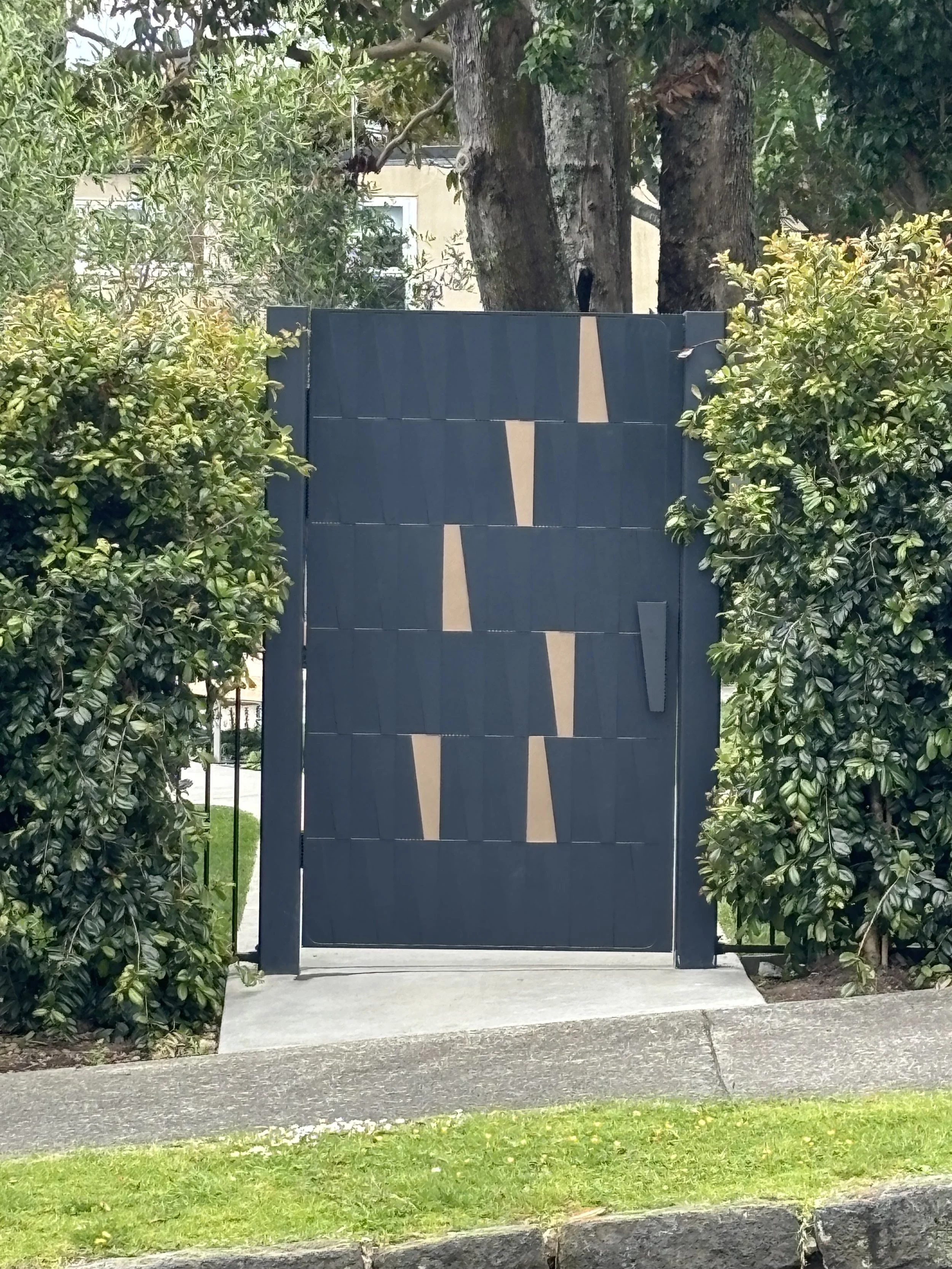
We worked closely with the The Auckland Jewish Community Centre to create a a bespoke memorial gate to mark the entrance to the garden. The gate is a etched in metal and hand-painted with six golden trapezoids, each representing one million Jewish lives lost during the Holocaust.
The gold reflects the light of the enduring human spirit, a symbolic acknowledgement of the lives lost and the memory they leave behind. Through their stories, experiences, and legacy, future generations are reminded of the importance of compassion, dignity, and humanity.
The gate acts as both a physical and symbolic threshold, quietly holding the memory of those who were lost. It is an invitation to pause, reflect, and enter a space dedicated to contemplation and remembrance.
We sought to acknowledge the immense scale of loss while creating a quiet sense of dignity and reverence.
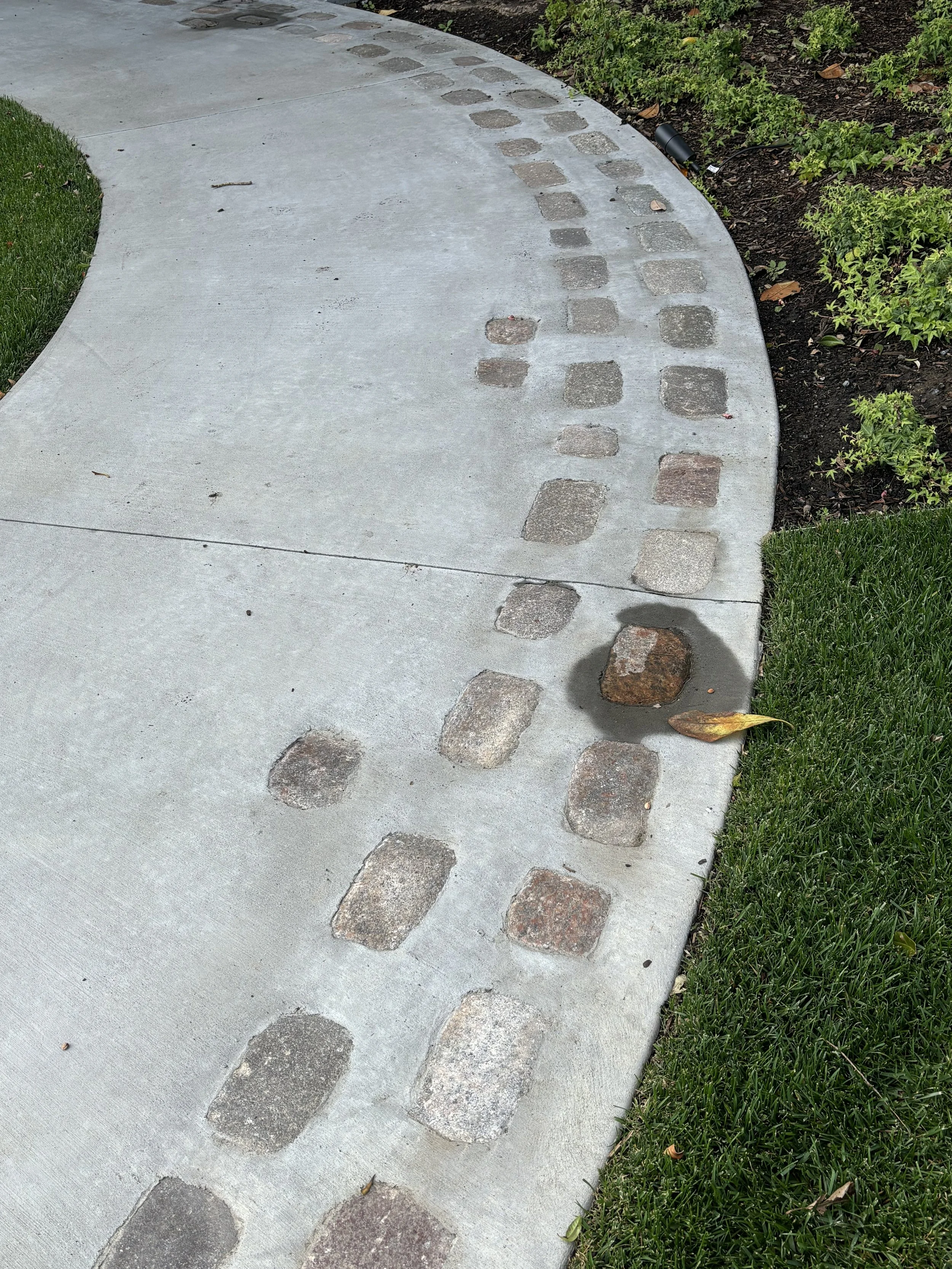
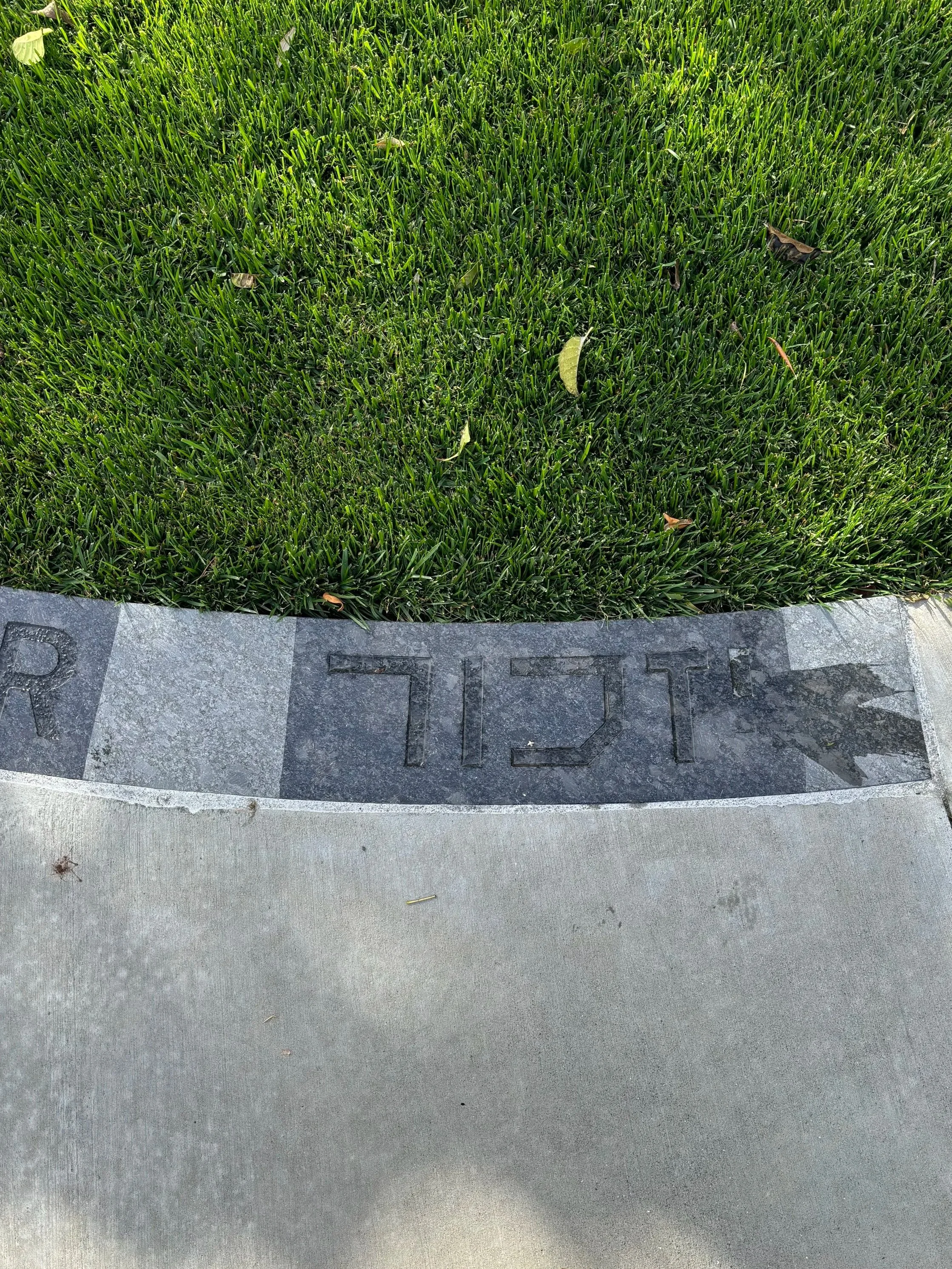
Within the garden are many significant features, including pathways embedded with 200 original cobblestones from the Warsaw Ghetto, gifted by the United States Holocaust Memorial Museum.
These stones bear witness to one of the darkest chapters in human history. They were once walked upon by Jewish families forced through the ghetto during the Nazi occupation of Warsaw, many on their way to deportation trains bound for concentration and extermination camps including Treblinka, Auschwitz-Birkenau, and Majdanek.
Today, the cobblestones create a direct and tangible connection between the past and the present, preserving memory through physical trace and ensuring that the experiences of those who suffered are not forgotten.
This is an important reminder that hatred, persecution, and dehumanisation extend beyond any single group or community, and that the lessons of the Holocaust remain deeply relevant today.
As a living memorial, the garden exists to foster remembrance, education, compassion, and reflection. It acknowledges the enduring impact of the Holocaust on survivors, families, and future generations, while encouraging ongoing dialogue around humanity, prejudice, and collective responsibility.
In remembering the past, the garden, with it’s bespoke gate asks visitors to reflect on the importance of empathy, dignity, and the protection of human life, both now and for generations to come.